Bruno Fernandes Penalty: How Man Utd Leveled 10-Man Palace Amidst Controversy
The theatre of English football is often defined by moments of breathtaking skill, tactical genius, and, inevitably, high-stakes controversy. Few scenarios ignite debate quite like a penalty awarded to a dominant team, especially when their opponent is already playing with a numerical disadvantage. Such was the narrative when Manchester United faced Crystal Palace, a fixture that saw the Eagles reduced to ten men, only for United to level the score through a decisive Bruno Fernandes penalty. This incident quickly became a focal point for discussion, adding another chapter to the ongoing
man united penalty controversy saga that often follows the Red Devils.
The Tense Showdown: Man Utd vs. 10-Man Palace
The stage was set for a compelling Premier League clash. Old Trafford, buzzing with anticipation, witnessed a fiercely contested encounter between Manchester United and Crystal Palace. The match, however, took an unexpected turn, significantly altering its complexion and paving the way for the contentious penalty decision.
A Red Card Changes Everything
Midway through the game, the dynamic shifted dramatically. A pivotal moment saw a Crystal Palace player receive a red card for a challenge deemed dangerous or denying a clear goal-scoring opportunity. This dismissal immediately put Palace at a severe disadvantage, forcing manager Roy Hodgson to recalibrate his tactics, likely emphasizing defensive solidity and hoping for counter-attacking opportunities. Playing with ten men against a formidable side like Manchester United, especially away from home, is an uphill battle that tests character, discipline, and tactical acumen to their absolute limits. The numerical disparity not only impacts a team's ability to defend but also cripples their offensive threat, forcing players to cover more ground and conserve energy.
United, sensing their advantage, pressed on, increasing their intensity and probing Palace's resilient, albeit stretched, backline. It was only a matter of time, many thought, before the pressure would tell. However, despite their numerical superiority, United initially struggled to break down a well-organized Palace defence, marshalled by their veteran players and invigorated by the injustice of the red card. The clock ticked, and frustration began to build amongst the home support, highlighting the often-unpredictable nature of football where a numerical advantage doesn't always guarantee an immediate breakthrough.
The Incident: Unpacking the Man United Penalty Controversy
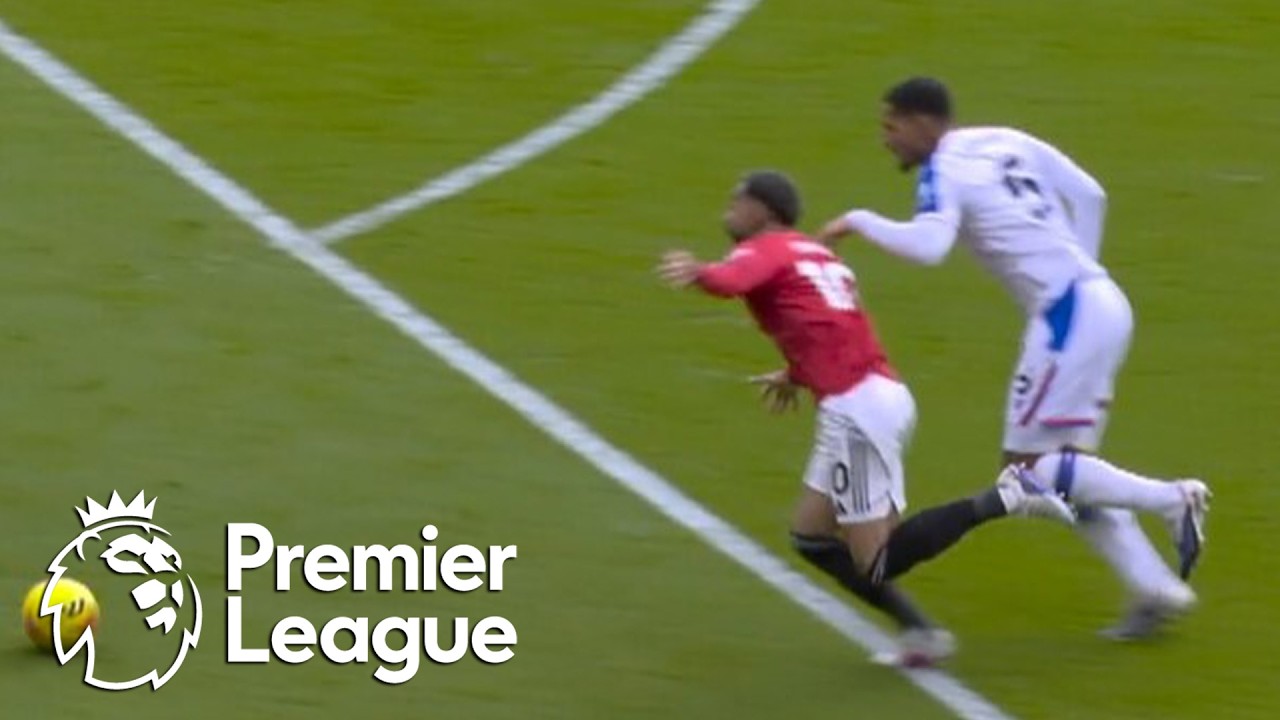
As the game wore on, with United pushing relentlessly for an equalizer, the moment of contention arrived. A United player, driving into the Palace penalty area, was challenged by a Palace defender. The referee's whistle blew, pointing to the spot, signaling a penalty. This decision instantly sparked furious protests from the Palace players and bench, who felt the contact was minimal, the United player had initiated contact, or perhaps that the challenge was outside the box altogether. This type of incident often sits at the heart of the
man united penalty controversy.
The perceived unfairness of a penalty awarded against a team already down to ten men amplified the debate. From one perspective, it was a clear infringement, a clumsy challenge that warranted the referee's decision. The United attacker, known for his ability to draw fouls, exploited a momentary lapse in concentration from the Palace defender. For United fans, it was justice, a deserved reward for their sustained pressure and an opportunity to get back into the game.
However, from the Palace camp and many neutral observers, the decision felt soft, perhaps even influenced by the occasion or the perceived need to "even things up" after the earlier red card (a common, albeit often unfounded, accusation in highly emotional matches). The debate centered on the extent of the contact, whether it was enough to bring the player down, and if the United player had gone to ground too easily. It was a classic "contact sport" versus "clear foul" argument, exacerbated by the match context.
The VAR Lens: Scrutiny and Decision
In the modern game, the Video Assistant Referee (VAR) system is designed to review such contentious moments. After the referee pointed to the spot, there was a palpable tension in the stadium as fans, players, and coaches awaited the VAR check. The official communication confirmed that VAR was indeed reviewing the incident.
The replays shown on television screens offered varying perspectives, allowing pundits and fans to dissect every angle. Some angles suggested minimal contact, leading to cries of "diving" or "simulation" from Palace supporters. Other replays, however, seemed to confirm a genuine trip or push, albeit a subtle one, that impeded the attacker's run. Ultimately, after a brief but intense review period, the on-field decision stood. VAR confirmed there was no "clear and obvious error" in the referee's initial judgment to award the penalty. This outcome, while upholding the decision, did little to quell the outrage from Palace and the broader football community. The controversy surrounding this penalty, and VAR's role in it, is often revisited in articles like
Man United Penalty Overturned: Understanding the VAR Decision, which delve into the nuances of VAR decisions.
Bruno Fernandes: The Nerves of Steel from 12 Yards
With the decision confirmed and the protests subsiding, the weight of expectation fell squarely on the shoulders of Bruno Fernandes. Known for his impeccable penalty record and audacious technique, Fernandes stepped up to take the spot-kick. The Portuguese magnifico rarely falters from 12 yards, possessing a unique blend of composure, precision, and psychological warfare that often unsettles goalkeepers.
As he approached the ball with his characteristic stuttered run-up, the stadium held its breath. Fernandes calmly dispatched the ball into the net, sending the goalkeeper the wrong way and igniting a roar of relief and jubilation from the United faithful. The score was leveled. This moment epitomized Fernandes's importance to Manchester United, not just as a creator but as a reliable finisher in the most high-pressure situations. His ability to convert penalties, especially controversial ones, has often been a lifeline for the team.
The Tactical Ramifications of a Leveler
The penalty goal by Bruno Fernandes was more than just an equalizer; it was a psychological turning point. For Manchester United, it represented a vital lifeline, restoring parity and boosting their confidence after struggling to break down the ten-man Palace. It allowed them to reset, regain momentum, and continue their assault with renewed vigor. The feeling that justice had been served, at least from their perspective, propelled them forward.
Conversely, for Crystal Palace, the goal was a hammer blow. To concede a penalty, especially one deemed controversial, while already playing with a man down, felt like a double injustice. It drained their morale, making their already arduous task even more daunting. Their defensive discipline, which had held firm for so long, felt undermined. The tactical plan of holding out for a draw or snatching an unlikely winner became significantly harder, as they now had to potentially chase the game or risk further humiliation. The debate around whether such decisions are luck or foul play is precisely what's explored in
Man Utd vs. Palace Penalty Debate: Was It Luck or Foul?
Beyond the Whistle: The Lingering Debate and VAR's Role
The Bruno Fernandes penalty against 10-man Crystal Palace quickly became a topic of heated discussion across sports media and fan forums. It perfectly encapsulated the ongoing frustrations and fascinations surrounding VAR and officiating in modern football. Was it a clear and obvious error not to overturn the penalty? Or was the original decision justifiable?
Football fans often feel that certain teams, particularly those with a higher profile like Manchester United, receive a disproportionate number of favorable penalty decisions. While statistics can be interpreted in various ways, the perception itself fuels controversies like this one. The incident highlighted the subjective nature of foul detection and the immense pressure on referees, even with VAR's assistance. What one person sees as a clear foul, another might view as minimal contact or an attacker initiating contact.
Tips for Understanding Controversial Decisions
For fans and aspiring analysts seeking to understand these contentious moments better, here are some practical tips:
- Review Multiple Angles: Don't rely on just one replay. Different camera angles can reveal crucial details about contact, timing, and player positioning.
- Understand the Laws of the Game: Familiarize yourself with the exact wording of the rules regarding fouls in the penalty area, simulation, and denying a goal-scoring opportunity.
- Consider the Context: The game state (e.g., score, time remaining, previous fouls, red cards) can influence perceptions, even if it shouldn't directly influence the referee's decision.
- Listen to Expert Analysis: Pundits, especially former referees, can offer valuable insights into how officials are trained to interpret specific incidents.
- Acknowledge Subjectivity: Ultimately, many football decisions involve a degree of subjective interpretation. What appears "clear and obvious" to one, might not be to another.
Conclusion
The Bruno Fernandes penalty that allowed Manchester United to level the score against 10-man Crystal Palace was a flashpoint that resonated far beyond the final whistle. It was a moment that encapsulated the drama, passion, and perpetual debate that defines football. While it provided Manchester United with a crucial equalizer and showcased Fernandes's nerveless composure, it left Crystal Palace and many neutrals feeling aggrieved, reigniting the familiar
man united penalty controversy narrative. As VAR continues to evolve and referees strive for consistency, such incidents remind us that football's capacity to surprise, delight, and enrage will always remain its most enduring characteristic. The debate over its fairness and impact on the game will undoubtedly continue, shaping the discourse of future Premier League seasons.